As a Result of the data below, Students are likely to face Depression, Anxiety, Suicide, Eating disorders and Addiction.
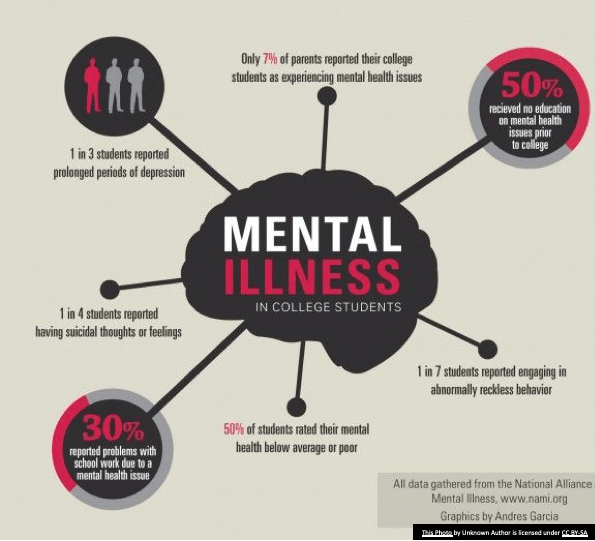
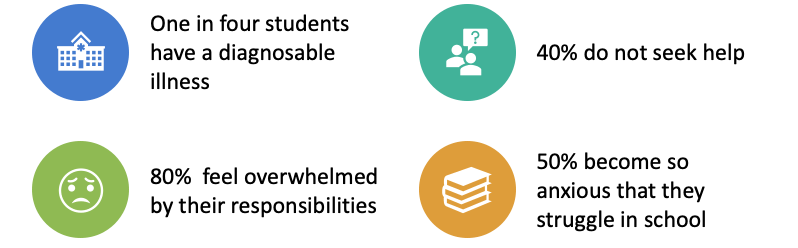
Dealing with Student Mental Health

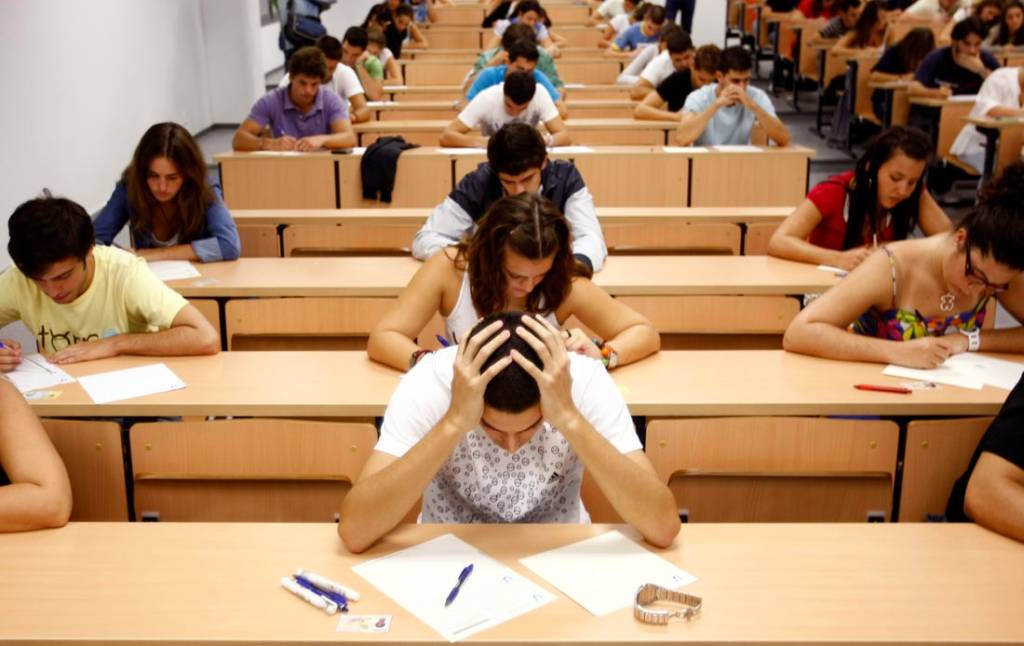
• When it comes to consequences for students, these are rather obvious as they suffer a lower quality of life as a result of mental health issues where stress, anxiety, sleep difficulties and depression are the most likely outcomes of those not receiving help.
• In relation to consequences for schools, campuses feel the burden of student mental health issues as students are more likely to do poorly on schoolwork and drop out of school.
• Consequently this extends to family members and peers, where they may be personally affected out of concern for these students
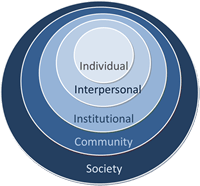
• Lastly, there are consequences for communities where one study found that five percent of students do not finish their education due to psychiatric disorders and estimated that 4.29 million people would have graduated from college had they not been experiencing such disorders.
• Student mental health issues can be combated through the promotion of resources that limit the causes of student mental health problems
•To combat schools lack of funding in combating the causes of student mental health issues, Governments can reward institutions that demonstrate student mental health as priority
•Through this strategy, schools who require funding will not leave mental health issues behind on their list of priorities where they will be further motivated to join the cause.
• Doing so directly helps address those in underfunded schools as only six percent of the healthcare budget is spent on mental health. This solution would help the figure reach the suggested 30 percent required to account for the number of people with these disabilities and illnesses
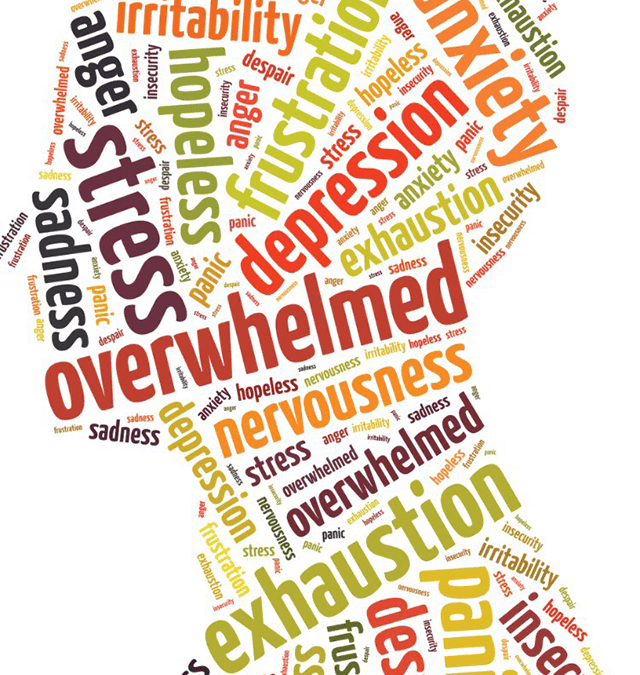
• Additionally, mental health issues can be combated through promoting the that help students deal with mental health issues
• For example, when it comes to students seeking help, wait times for counselling sessions are on average 1 week to 3 months where many students are not getting the help they need as in Canada, only 1 out of 5 children who need mental health services receives them.
• To combat this worrying statistic, we must ensure that schools have the required amount of resources for students seeking help. To do exactly that, public schools and universities must implement free mental health screenings the same way they monitor physical health screenings through gym class.
• Once depression is recognized, help can make a difference for 80% of people who are affected, allowing them to get back to their regular activities” (Canadian Mental Health Association)

Stigmatization and Discrimination attached to mental illnesses presents a serious barrier, not only to diagnosis and treatment but also to acceptance in the community whereas a result, 60% of people with mental health problems or illness won’t seek help for fear of being labeled
This leads to Youth being among the highest risk populations for suicide as it is the leading cause of death for canadians aged 10-24.

 Spread The News #EM203